
Food Delivery Robots
In a restaurant landscape where lean profit margins are getting even slimmer due to the necessary COVID-19 safety measures of distancing, staying afloat is an increasingly difficult challenge. Small wonder, then, that some operators are using whatever means they can to stand out from their competition. Robot waiters, although not a new phenomenon, are making headlines around the world again, but this time with a socially distanced twist.
At ROBO Sushi, a sushi restaurant in Canada, robot greeters and servers chat with guests, take orders and run food from the kitchen. These are typically three distinct roles performed by humans, a fact not lost on restaurant owner. “Right now I can focus on the kitchen instead of managing and hiring frontline staffs,” restaurant owner told the youtuber. “I don’t have time to figure out in depth how to use the robot but even I’m thinking that the robot can reduce their dependent on manual labor.”
Digital ordering system
In the post pandemic world, customers increasingly want to pay bills from their mobile devices. Gadgets with special software that allow the waiter to accept an order, to send it to execution and to form an bill in a few taps are becoming a universal solution. There are many companies began to offer a cloudbased platform for solving several tasks such as accepting and processing orders, creating invoices, accepting payments and collecting analytics. Video below shown how McD implement this system.
Industrial 4.0
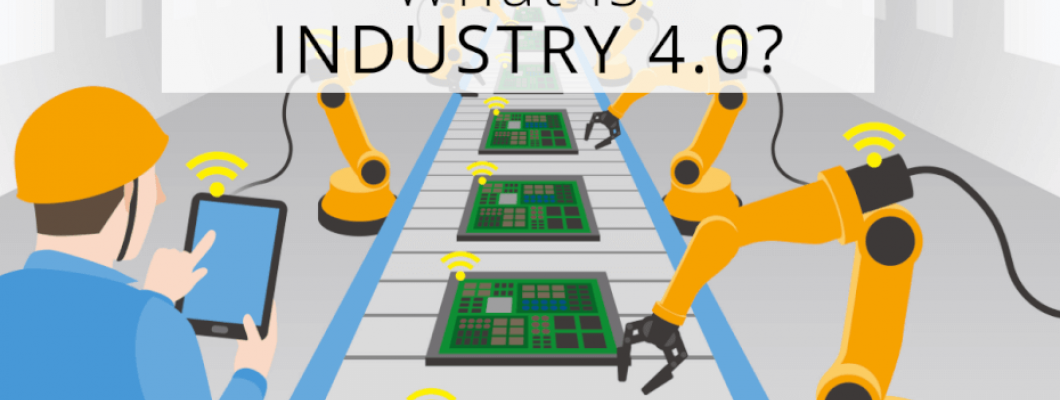
In such a way, Industry 4.0 is slowly but surely penetrating the hospitality and catering industry. The digital innovation start-ups and pilot projects of high-tech industry leaders indicate the beginning of the digital transformation processes in the enterprises of the hospitality and F&B industry, the purpose of which is to create more comfortable and efficient interaction both within the company and with the company's customer to meet its needs, which in their turn, change together with the development of technology. The video below show how to take advantage of Industrial 4.0 for your business.
5 Comment(s)
Thanks
Need price for trolley
Hello there,\r\nI would like to inquire more about the Autonomous Robotics service providers that you make. I saw one recently at a McD store and am quite interested with this machine.\r\n\r\nPlease drop me an email to chat further\r\n\r\nThank-you\r\nKelvin Hong\r\nA&W Restaurants International
Buy Real Twitch followers, ✅viewer and channel views for your channel! ✅We use the latest methods to safely provide your Twitch stream with live viewers and followers
Buy Periscope followers, ✅hearts for your channel! ✅We use the latest methods to safely provide your Periscope followers
Leave a Comment